

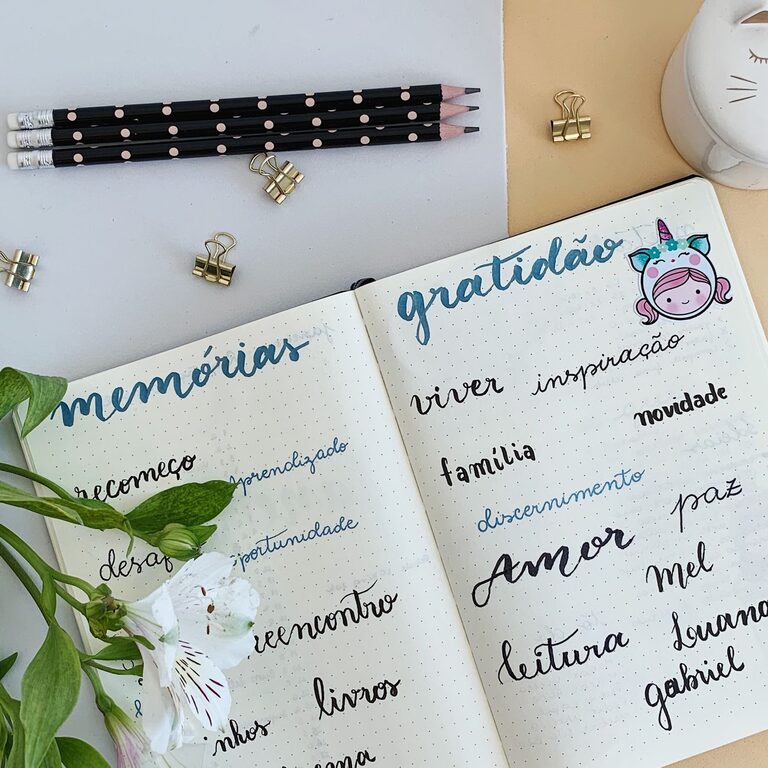
Starting a gratitude journal is a wonderful way to cultivate a more positive outlook on life and enhance your overall well-being. By regularly reflecting on the things you appreciate, you can shift your focus from what is lacking to what is abundant. If you’ve never kept a gratitude journal before, don’t worry—it’s simple to start, and you don’t need any special skills or tools. This guide will walk you through the basics of starting your own gratitude journal and making it a meaningful daily habit.
What Is a Gratitude Journal?
A gratitude journal is a personal record where you write down things you are thankful for. These can be big or small—for example, a kind gesture from a friend, a beautiful sunset, or simply having a warm cup of coffee in the morning. The purpose is to intentionally focus on positive aspects of life, which can help reduce stress and increase happiness.
Benefits of Keeping a Gratitude Journal
Before diving into how to start, it’s helpful to understand why keeping a gratitude journal can be beneficial:
– Improves mood: Regularly acknowledging things you are grateful for can boost feelings of happiness and reduce negative emotions.
– Enhances mindfulness: Writing about gratitude encourages being present and appreciating the moment.
– Promotes better sleep: Reflecting on positive experiences before bed may lead to more restful sleep.
– Strengthens relationships: Noting appreciation for others can increase feelings of connection and empathy.
– Supports resilience: Gratitude can help you cope better during challenging times by focusing on what remains positive.
Steps to Start Your Gratitude Journal
1. Choose Your Journal
Pick a notebook or journal that feels inviting to you. It can be a simple lined notebook, a fancy journal, or a digital app on your phone or computer. The key is to select something you’ll look forward to using.
2. Set a Regular Time
Decide on a time of day to write in your gratitude journal—many people prefer mornings to start the day positively or evenings to reflect on the day’s events. Consistency helps turn journaling into a habit.
3. Start Small
Begin by writing down 3 to 5 things you are grateful for each day. They don’t need to be grand. For example:
– “I’m grateful for the warm sunshine today.”
– “I appreciate my friend’s call that made me smile.”
– “I’m thankful for a delicious lunch.”
4. Be Specific
Instead of vague entries, try to be as specific as possible. This helps you connect more deeply with the moment. For example, instead of “I’m grateful for my family,” write “I’m grateful for the picnic my family and I shared in the park today.”
5. Reflect on Why
Try adding a sentence explaining why you are grateful for each item. This deepens your awareness and makes the practice more meaningful. For instance, “I’m grateful for my cozy bed because it helps me rest well after a busy day.”
6. Mix It Up
Keep your gratitude journal interesting by varying what you write about. Include people, experiences, personal qualities, or even things about nature or your community.
7. Include Positive Affirmations
Sometimes, add positive statements about yourself or your goals. For example, “I’m proud of myself for finishing my work on time,” or “I’m hopeful about the opportunities tomorrow will bring.”
8. Make It Personal and Comfortable
Feel free to include drawings, photos, or even quotes that inspire you. Your gratitude journal should be a space that feels safe and uplifting.
Tips for Maintaining Your Gratitude Journal
– Don’t stress about perfection: There is no right or wrong way to keep a gratitude journal. Write freely without judging your entries.
– Use prompts when stuck: If you find it hard to think of things to write, use prompts such as “What made me smile today?” or “Who inspired me this week?”
– Review your journal: Occasionally read back through your entries to remind yourself of positive experiences and growth.
– Share gratitude: Consider sharing some of your gratitude reflections with close friends or family to spread positivity.
– Be patient: Like any new habit, journaling takes time to feel natural. Aim for progress, not perfection.
Overcoming Common Challenges
Lack of Time
If you’re busy, writing just a few sentences or bullet points can be enough. Even 5 minutes a day can make a difference.
Forgetting to Write
Set a reminder or link journaling to an existing habit, like brushing your teeth or having your morning coffee.
Feeling Repetitive
Challenge yourself to find new things to appreciate, or focus on different areas of your life, such as work, relationships, or nature.
Conclusion
Starting a gratitude journal is an accessible and rewarding practice that can brighten your daily life. By focusing on the positive aspects around you, you can nurture a habit of appreciation that supports mental and emotional health. Remember, your gratitude journal is your personal space—make it meaningful and enjoyable. Grab a notebook or open your favorite app today, and take the first step toward a more grateful mindset.