

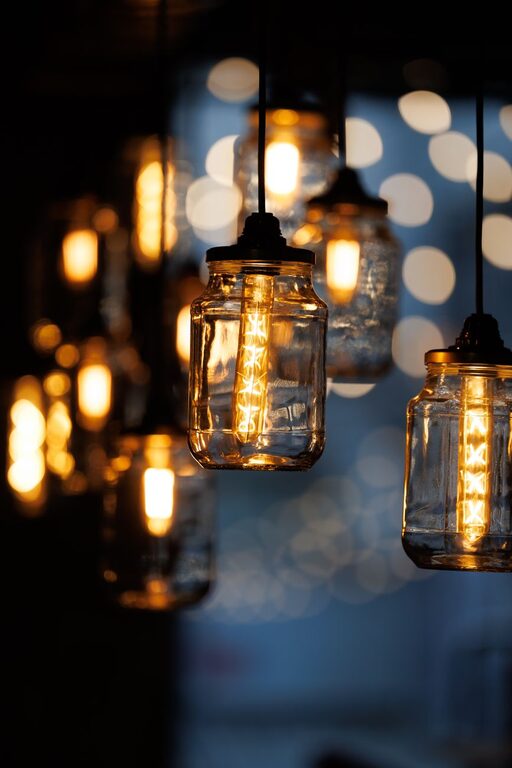
Creating a comfortable living space depends on many factors, but lighting plays one of the most important roles. The right home lighting can improve your mood, reduce eye strain, and highlight your favorite spaces. On the other hand, poor lighting can make a room feel cold or tiring. If you want to enhance your home’s ambiance with comfortable lighting, here are some practical tips to guide your choices.
Understanding the Basics of Comfortable Lighting
Before diving into specific strategies, it’s helpful to understand what makes lighting comfortable. Comfort in lighting includes factors such as:
– Brightness: Not too bright or too dim for the room’s purpose.
– Color Temperature: Warm lights tend to create a cozy atmosphere, while cool lights can be energizing.
– Glare: Minimizing harsh brightness that causes discomfort.
– Flexibility: Ability to adjust lighting depending on the activity or time of day.
Choose the Right Color Temperature
Lighting color temperature is measured in Kelvins (K) and greatly affects the mood of a space.
– Warm White (2700K–3000K): Produces a soft, yellowish light, ideal for living rooms, bedrooms, and dining areas where relaxation is key.
– Neutral White (3500K–4100K): Balanced light, suitable for kitchens, bathrooms, and workspaces that require clarity without harshness.
– Cool White (5000K–6500K): Bright and bluish, often used in task lighting or garages but can feel sterile for living spaces.
For comfortable home lighting, prioritize warm or neutral whites, especially in areas where you spend most of your time.
Layer Your Lighting for Flexibility
Using multiple layers of light in a room can enhance comfort and functionality:
– Ambient Lighting: The general, overall light in the room, like ceiling fixtures or wall sconces.
– Task Lighting: Focused lighting for specific activities such as reading, cooking, or working, often provided by desk lamps or under-cabinet lights.
– Accent Lighting: Highlights architectural features, artwork, or decorative items and adds depth.
Combining these layers allows you to adjust lighting based on your needs and avoid harsh, uniform brightness.
Select Fixtures That Diffuse Light Softly
Harsh direct lighting can cause glare and discomfort. To create softer lighting:
– Use lampshades made from fabric, frosted glass, or paper to diffuse light.
– Choose fixtures with dimmable options so you can adjust brightness.
– Consider indirect lighting methods like uplights or wall washers that bounce light off surfaces rather than shining directly at eye level.
This approach reduces shadows and creates a more soothing atmosphere.
Match Lighting to Room Function and Activities
Different rooms and activities require different lighting solutions:
– Living Room: Soft, warm ambient lighting with adjustable task lights for reading or hobbies.
– Kitchen: Bright, neutral lighting with focused task lights over counters and stove areas.
– Bedroom: Warm, dimmable ambient lights to promote relaxation, plus bedside lamps for reading.
– Bathroom: Bright, even lighting around mirrors to avoid shadows, preferably with neutral white tones.
Think about how you use each space and tailor your lighting accordingly.
Consider Energy Efficiency and Bulb Types
Comfortable lighting also means lighting that suits your budget and environmental goals.
– LED Bulbs: Use less energy, last longer, and come in various color temperatures. LEDs are an excellent choice for most home lighting.
– Compact Fluorescent Lamps (CFLs): More efficient than incandescent bulbs but contain small amounts of mercury; disposal requires care.
– Incandescent Bulbs: Provide warm light but consume more energy and have shorter lifespans.
Choose bulbs labeled as “soft white” or “warm white” for comfort and look for the ENERGY STAR certification for efficiency.
Position Lights to Reduce Glare and Shadows
Placement affects how comfortable your lighting feels:
– Position task lights on the opposite side of your dominant hand to avoid casting shadows while working or reading.
– Avoid placing lights directly in front of your eyes to prevent glare.
– Use multiple smaller light sources rather than one bright central fixture to distribute light evenly.
Experiment with placements and use lamps with adjustable heads for more control.
Use Smart Lighting and Controls
Smart lighting systems allow you to adjust brightness and color temperature easily throughout the day.
– Set timers or schedules to simulate natural daylight patterns.
– Use dimmers and color-changing bulbs to create the perfect mood.
– Control lights with your smartphone or voice commands for convenience.
Smart lighting helps maintain comfort while adapting to your lifestyle.
Final Thoughts
Choosing comfortable home lighting is about more than just picking pretty fixtures. It involves balancing brightness, color, and positioning to match your needs and preferences. By layering different types of light, selecting warm color temperatures, and considering energy efficiency, you can create a cozy, inviting home that feels just right at any time of day.
Lighting is a simple yet powerful way to improve your living environment. Spend some time planning your lighting setup, and you’ll enjoy a more comfortable and beautiful home for years to come.